As we close out 2025, the "intelligence" we use daily—whether through ChatGPT, Gemini, or Llama—is no longer just a feat of software engineering. It is the result of the most expensive physical infrastructure project in human history. We have moved past the era of clever algorithms into the era of Brute Force Compute.
The GPU Cold War
Nvidia has become the ultimate gatekeeper of this era. To build models like GPT-5 or Llama 4, companies are purchasing Nvidia H100 and Blackwell B200 GPUs by the hundreds of thousands.
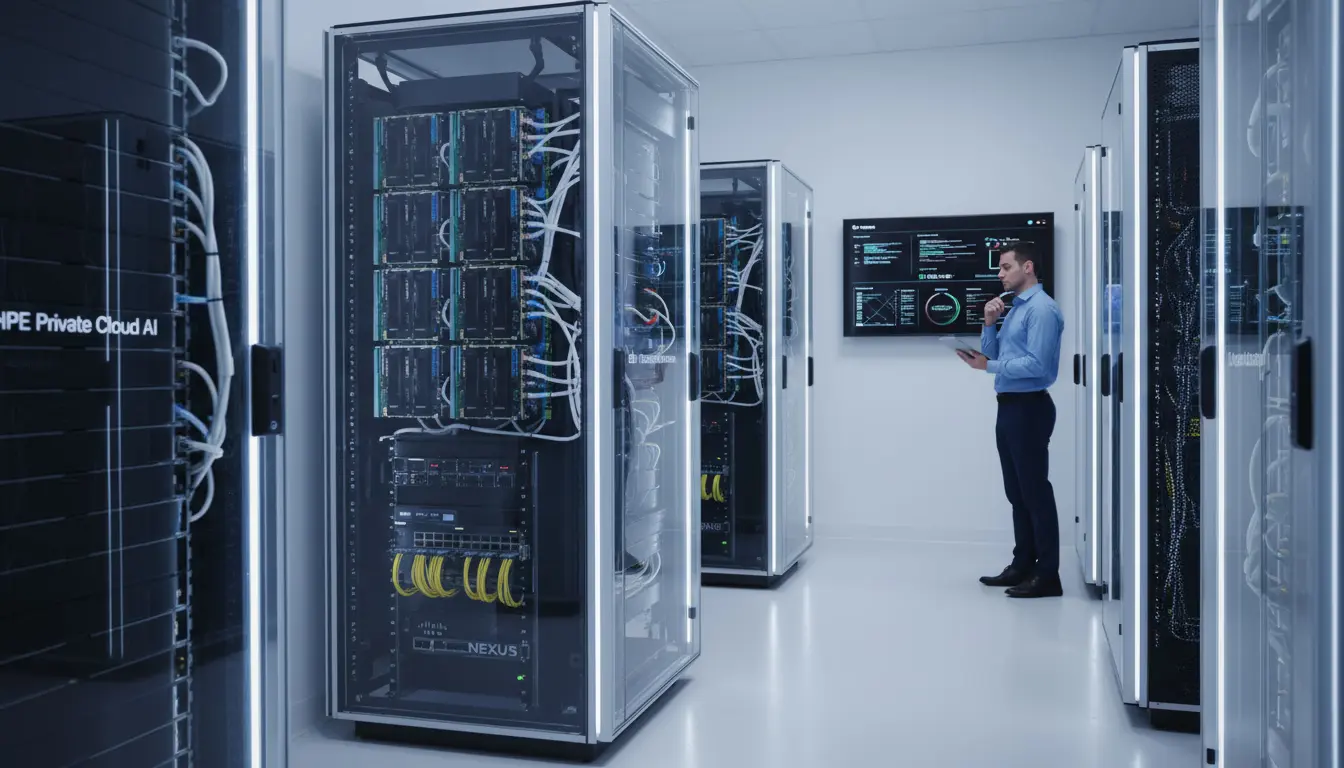
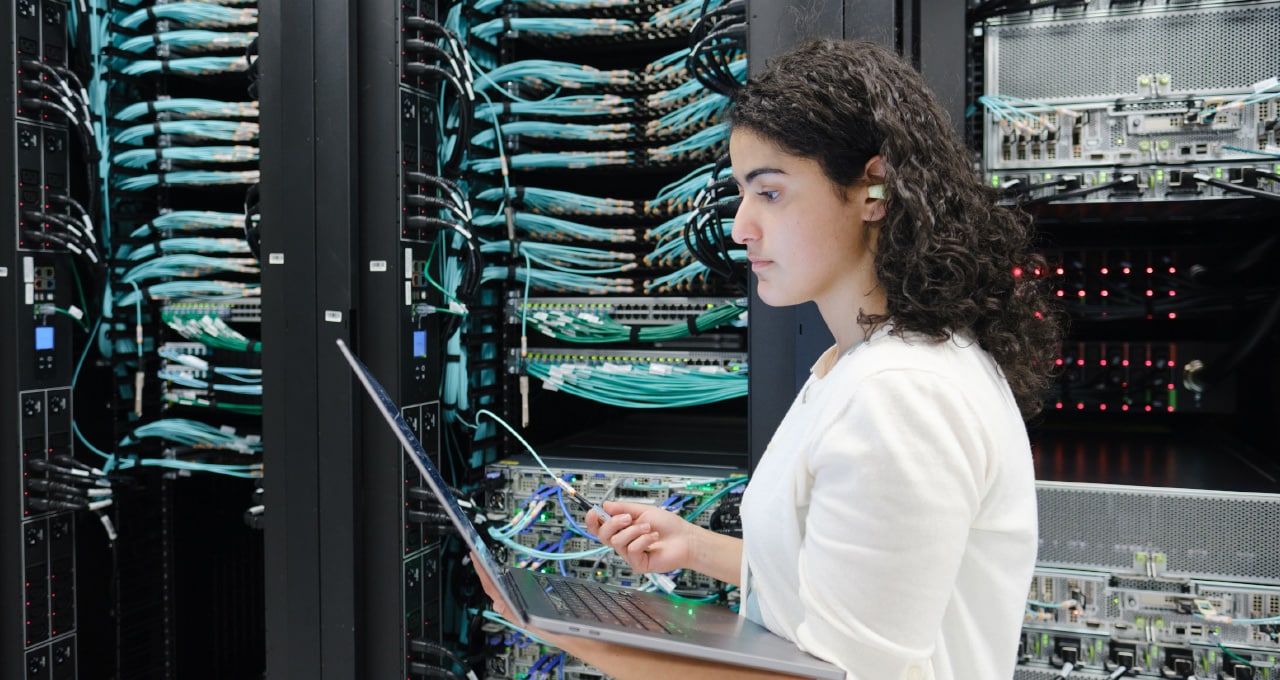
Meta (Llama) and Microsoft have reportedly amassed clusters exceeding 350,000 H100 GPUs each. At an estimated cost of $30,000 to $40,000 per unit, the silicon alone represents a $10 billion to $14 billion investment per company. This does not include the networking fabric (InfiniBand) required to make these chips communicate at 900GB/s.
The Microsoft-OpenAI Alliance
Microsoft’s decision to invest over $13 billion into OpenAI was not merely a cash injection; it was a strategic "Compute-for-Equity" deal. OpenAI needed the Azure supercomputing clusters to train GPT-4 and its successors, while Microsoft needed the first-mover advantage to integrate Copilot into the global enterprise stack.
By building the "Stargate" supercomputer—a project rumored to cost $100 billion by 2028—Microsoft is betting that the winner of the AI race will be the one with the biggest "engine," regardless of the initial burn rate.
Vertical Integration: Google’s TPU Moat
While others wait in line for Nvidia, Google has taken a different path: Vertical Integration. Google’s Tensor Processing Units (TPU v5p) are custom-designed chips optimized specifically for the Gemini architecture.
By designing their own silicon, Google achieves:
- Lower Cost per FLOP: Avoiding the "Nvidia Tax" allows for higher training margins.
- Architectural Synergy: TPUs are designed for the massive matrix multiplications required by Transformer models.
The Heavy Truck vs. The Formula 1
To understand the difference in philosophy between the two leaders, we can look at their architectural footprints:
- The Heavy Truck (ChatGPT/OpenAI) OpenAI’s approach is one of Massive Scale. Like a multi-trailer truck, it carries a gargantuan amount of data and parameters. It is designed for sheer power and generalist capability, moving an entire mountain of information to answer a single prompt.
- The Formula 1 (Gemini/Google) Google’s Gemini is built like a Formula 1 Car. It is integrated into a specialized ecosystem (Google Search, Workspace, Android). It relies on precision, custom-tuned "fuel" (TPUs), and a streamlined chassis to achieve high-speed multimodal reasoning. It isn't just about weight; it's about aerodynamic efficiency within a closed loop.
The Real Cost: Talents, Facilities, and Energy
The cost of AI goes far beyond the hardware. The "Burn Rate" includes:
- The Talent War: Top AI researchers are commandng salaries between $1 million and $3 million per year. Total payroll for a frontier AI lab can easily exceed $500 million annually.
- Energy Consumption: A single training run for a large model can consume as much electricity as 1,000 households do in a year. The cooling infrastructure alone requires millions of gallons of water.
- Data Acquisition: Licensing high-quality "human-made" data from media giants and archives is now a multi-billion dollar line item.
When Does the Race End?
This competition is unlikely to end in a single "winner." Instead, it will reach a Consolidation Point where the cost to train the next generation of models exceeds the GDP of mid-sized nations.
We expect the peak "spending frenzy" to stabilize by 2027-2028. At that point, the focus will shift from Training (building the brain) to Inference (making the brain cheaper to use). The winners won't just be those who built the smartest model, but those who figured out how to run it on 1/10th of the power.
Conclusion
The AI we use is a reflection of a massive industrial machine. Every time we prompt an LLM, we are triggering a global chain of silicon, specialized electricity, and billion-dollar investments.
Intelligence is the new electricity, and we are currently building the world's largest power grid.