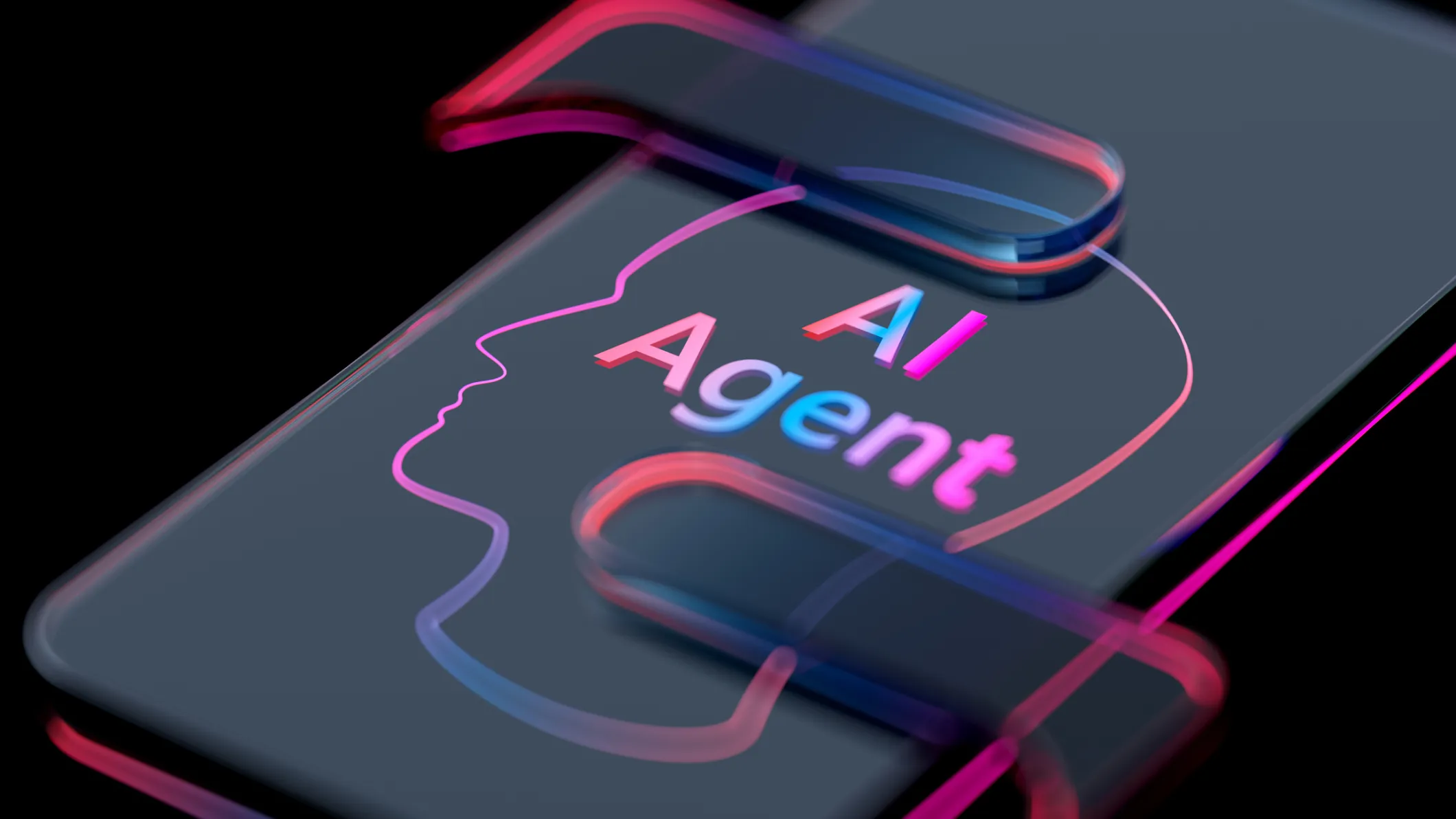
If 2024 was the year of "Chatbots" and 2025 was the year of "Integration," then 2026 is poised to be the year of Autonomous Agents. We are moving past the era where you have to prompt the AI; we are entering an era where the AI prompts you—or better yet, handles the task entirely without supervision.
At Zefta Media, we are already testing "Agentic Workflows" where a single command—like "Plan a campaign for Villa Ubud"—triggers a chain reaction: market research, copy generation, image selection, and ad scheduling, all performed by specialized AI agents talking to each other.
Trend 1: Hyper-Personalization at Scale
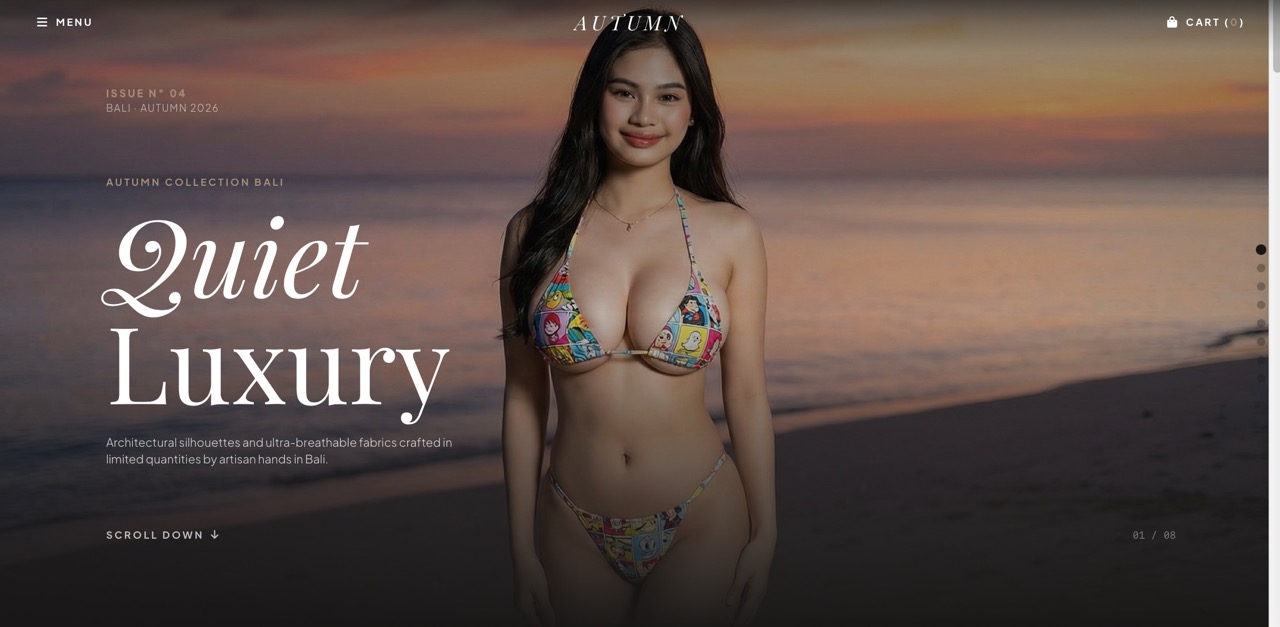
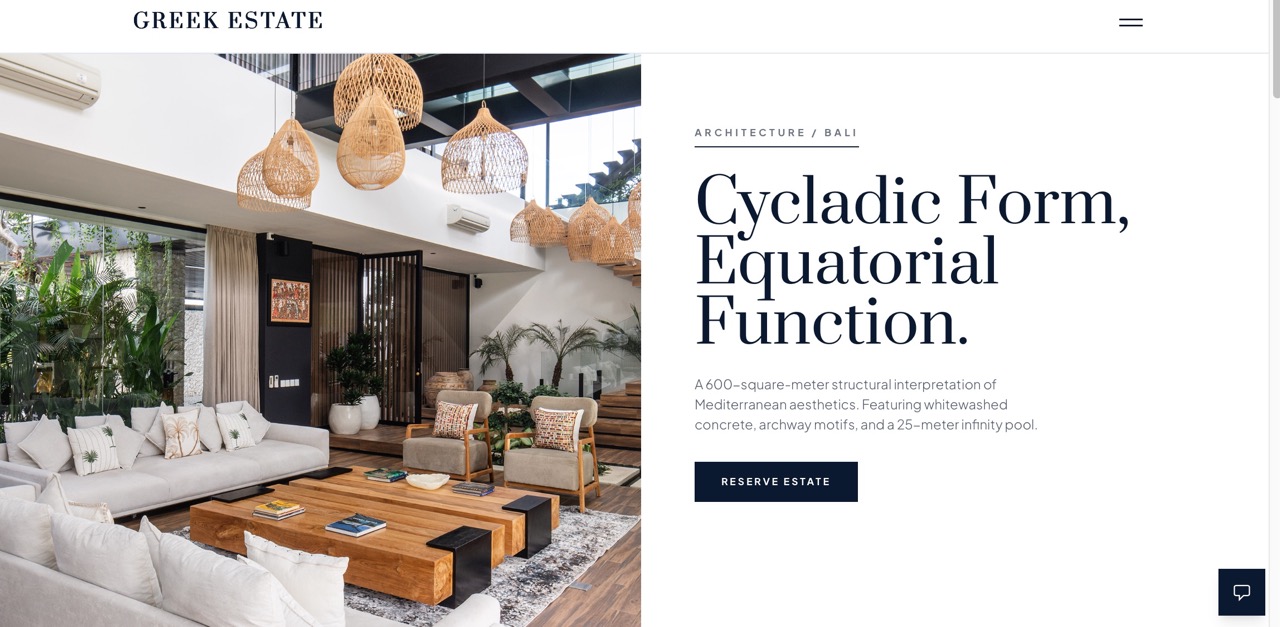
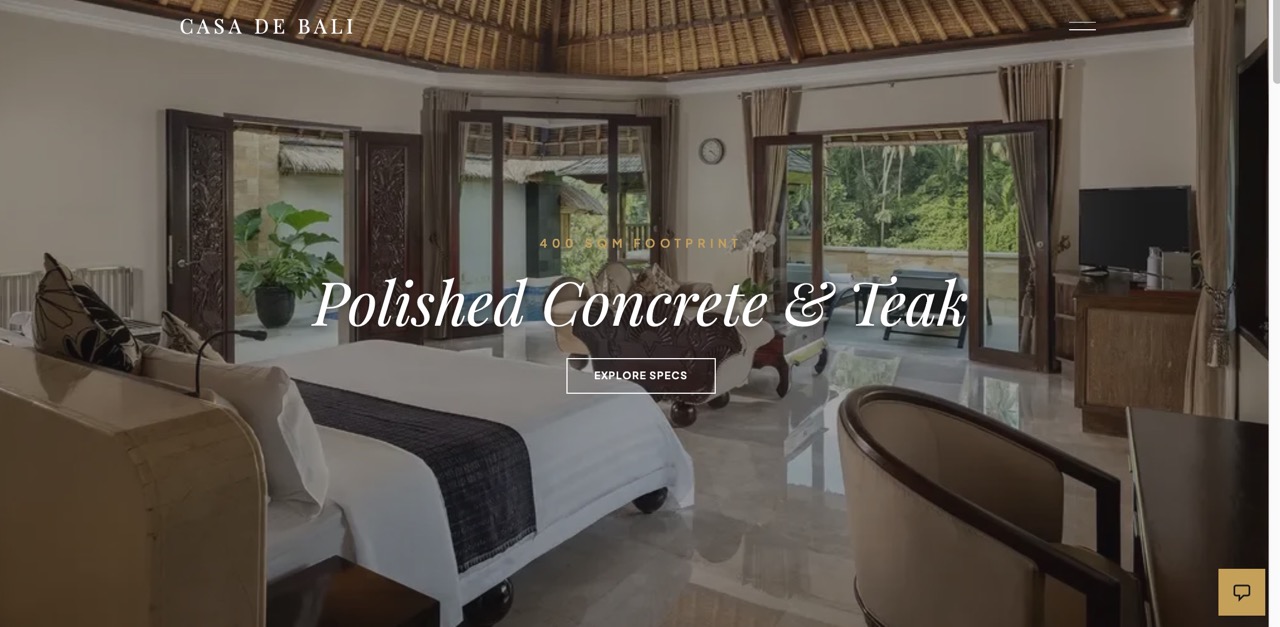
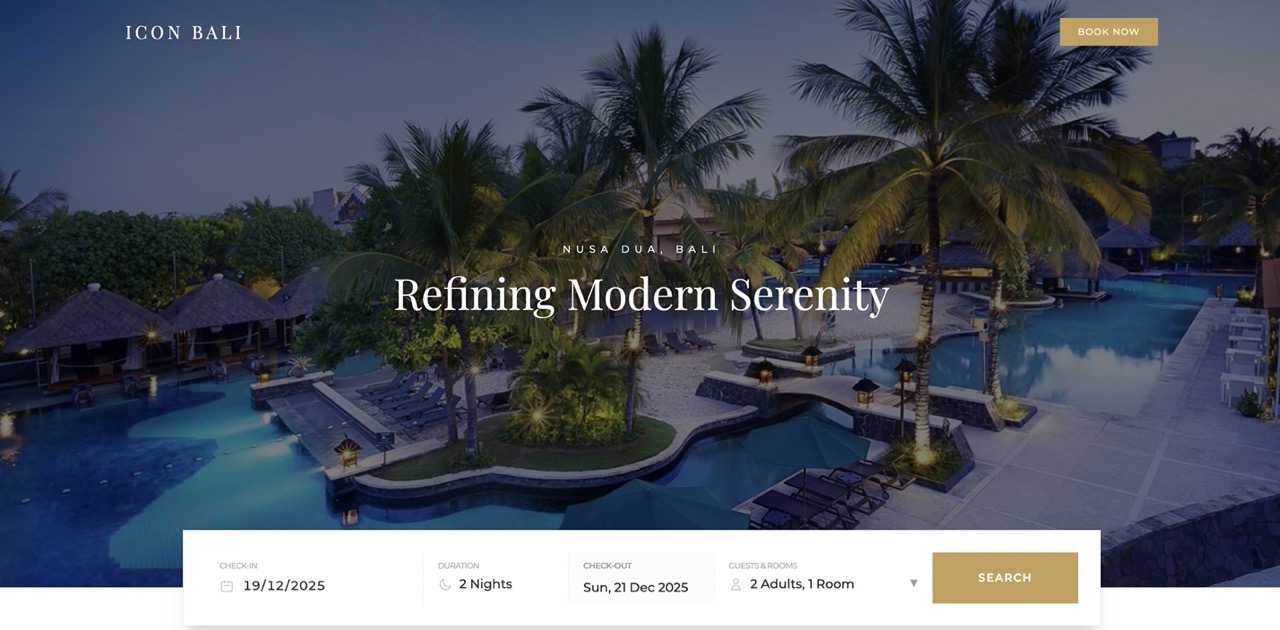
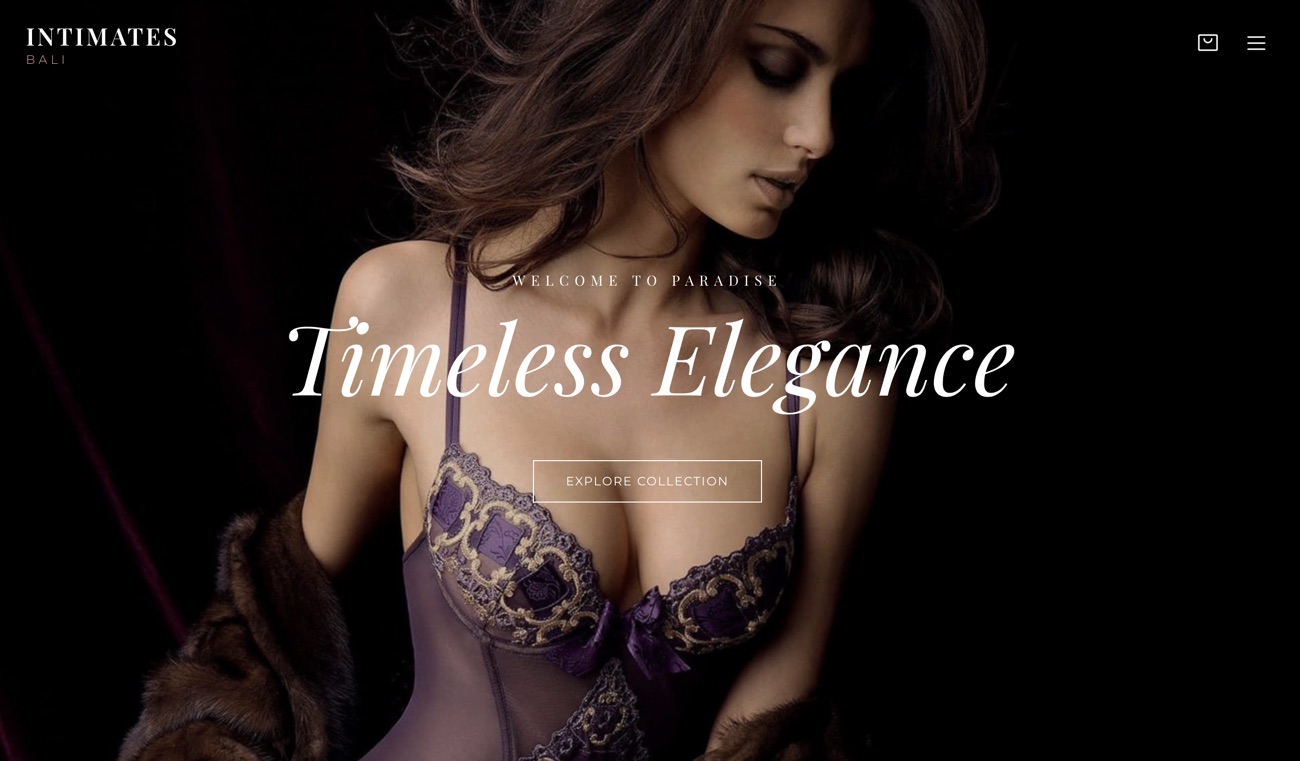
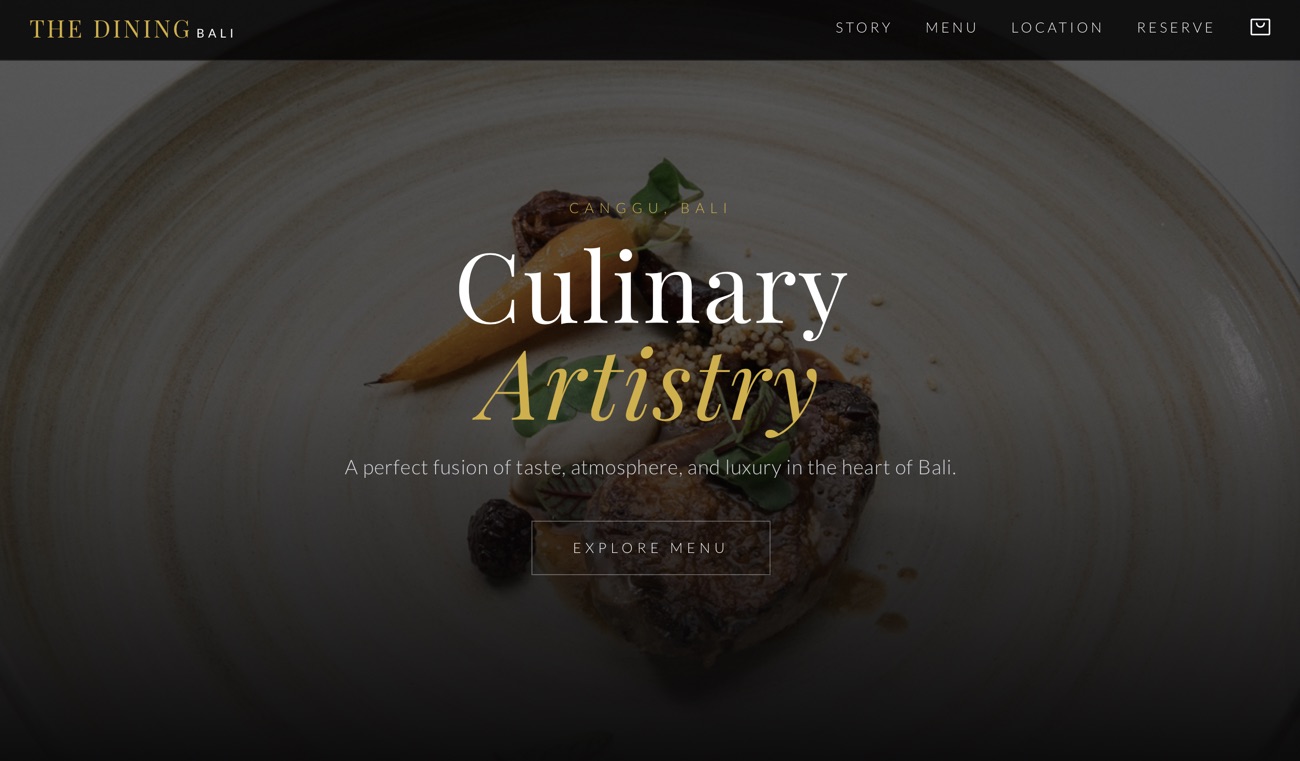
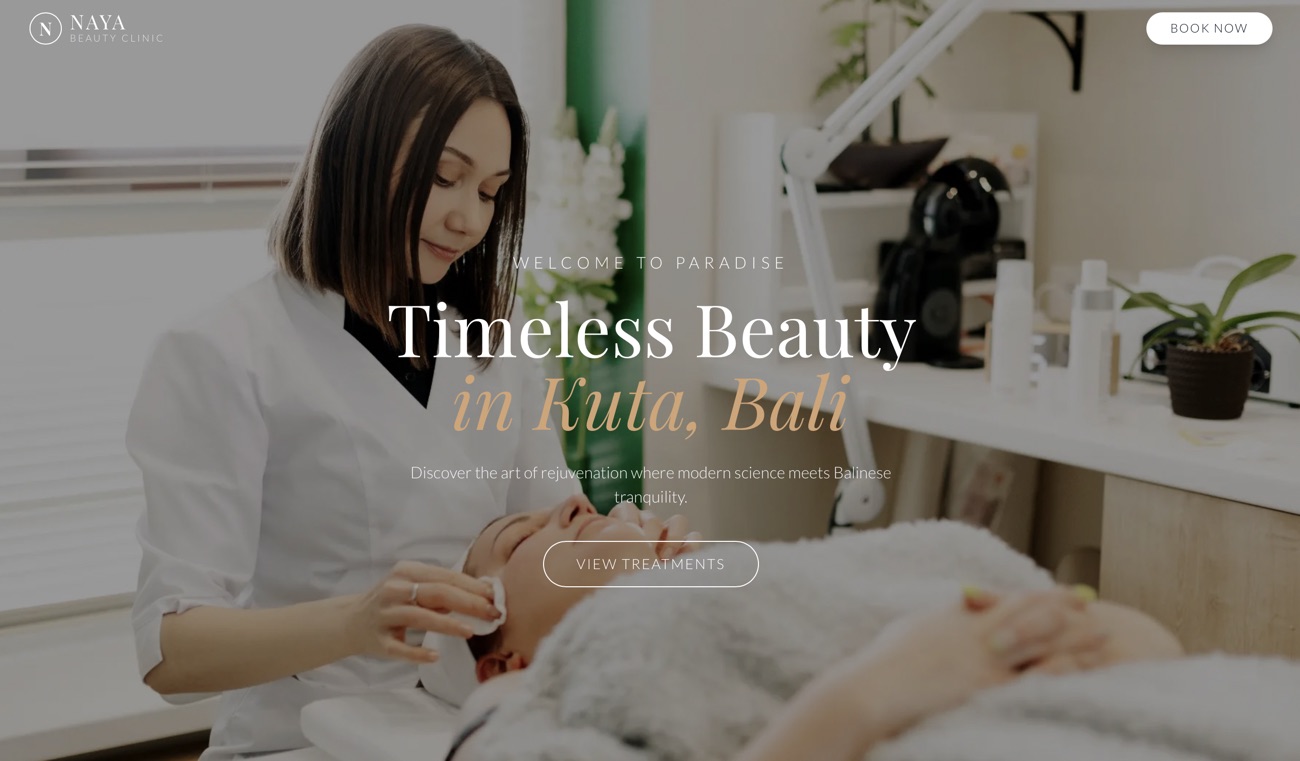
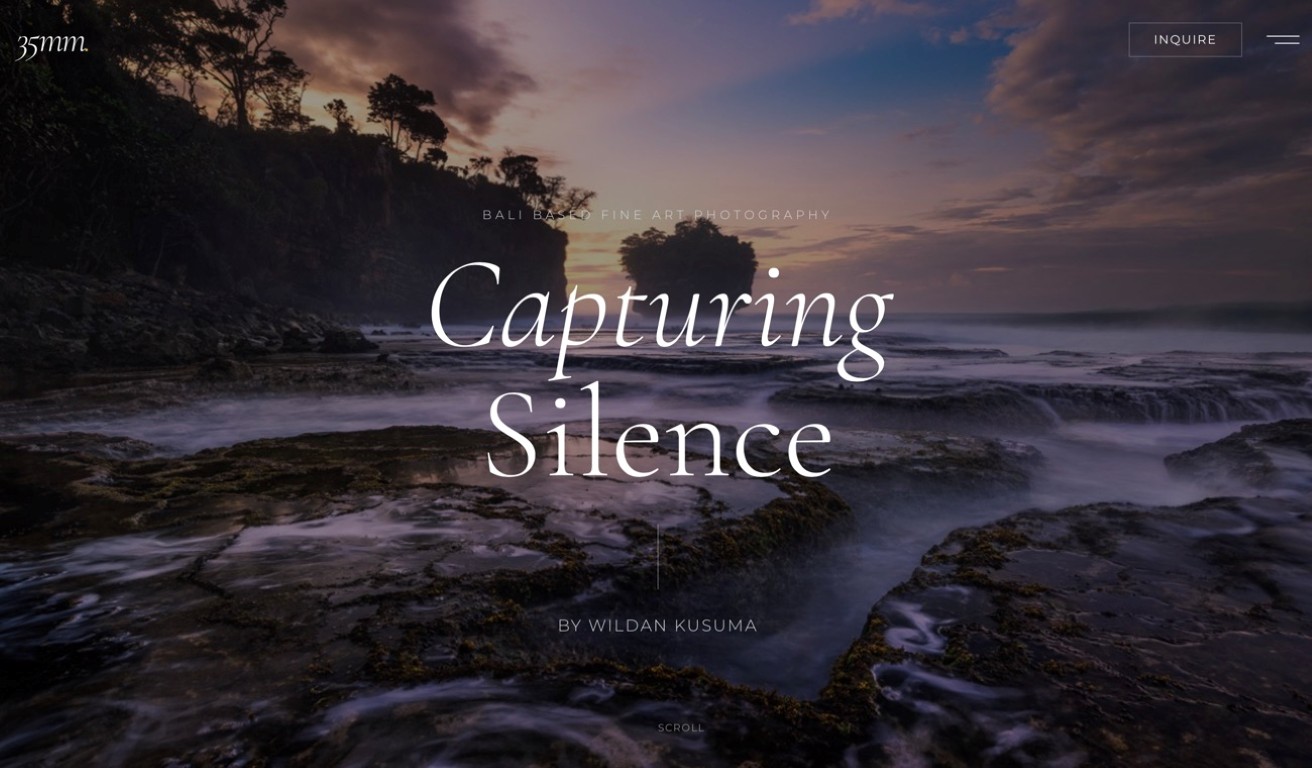
Generic marketing is dead. In 2026, AI won't just insert a name into an email. It will generate dynamic landing pages unique to every single visitor.
"Imagine a website that rearranges its layout, changes its tone, and swaps its images based on the visitor's browsing history in real-time. That is the standard for 2026."
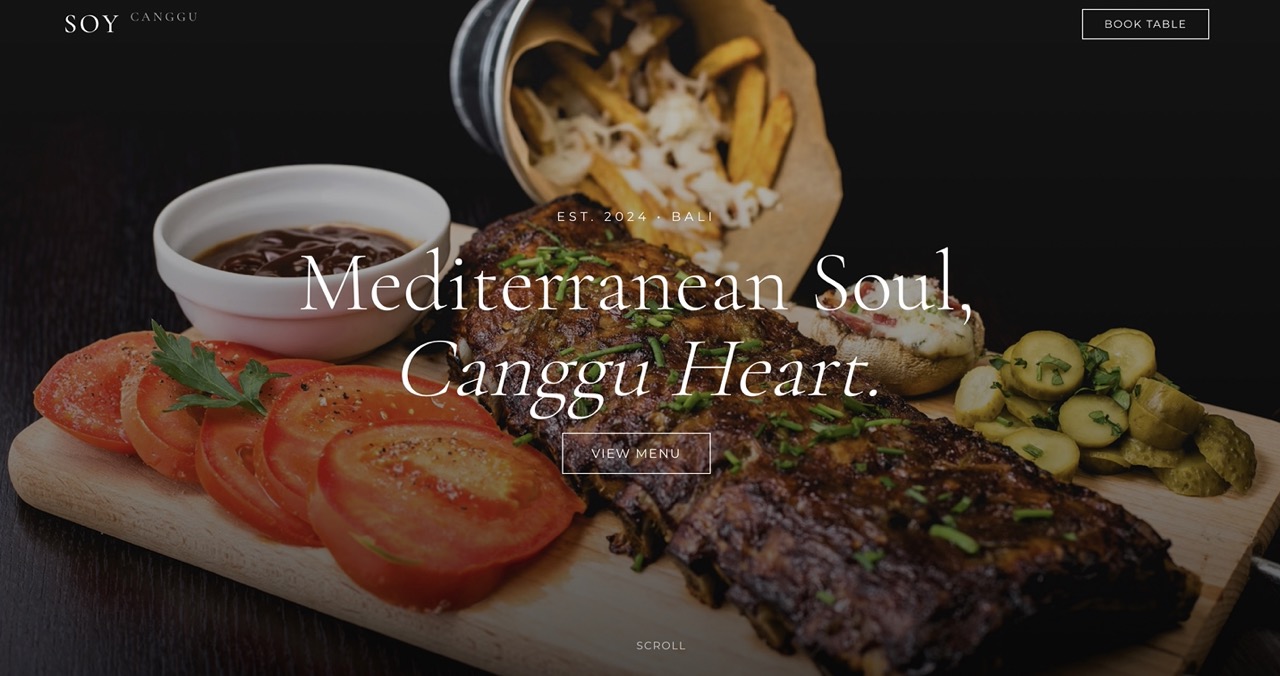
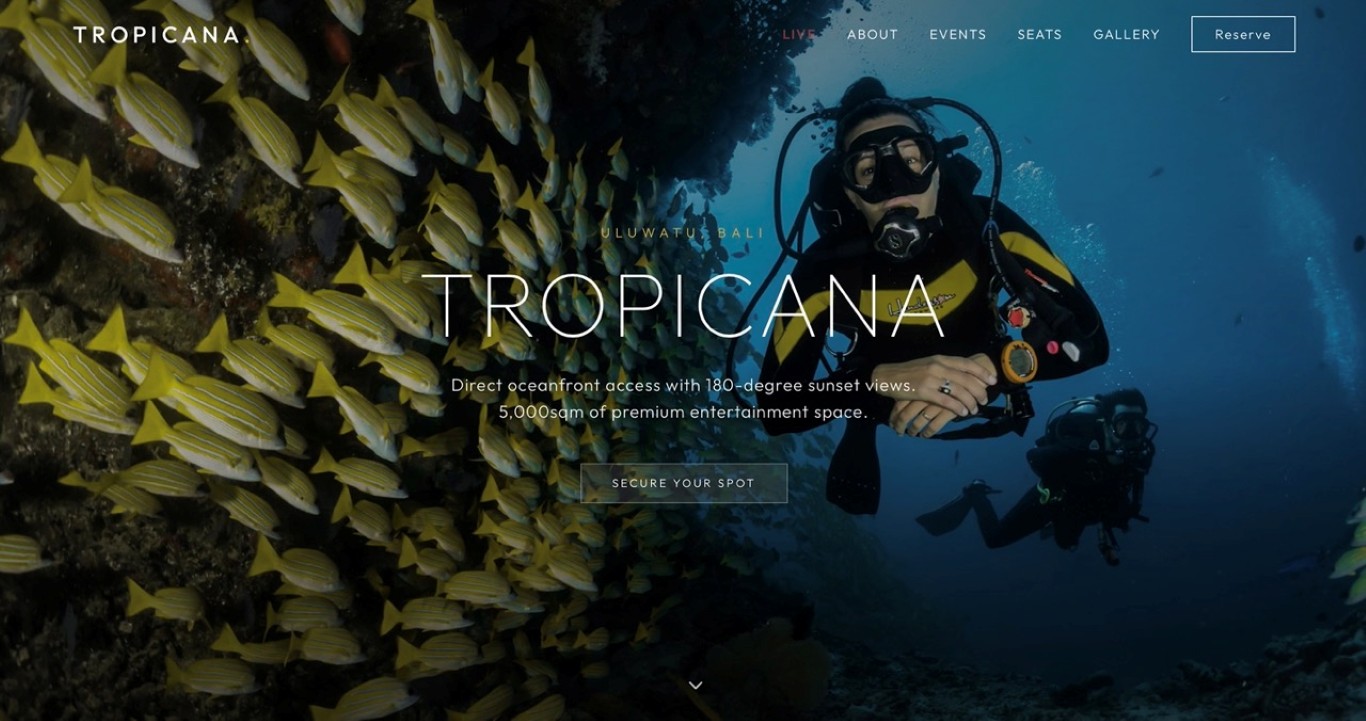
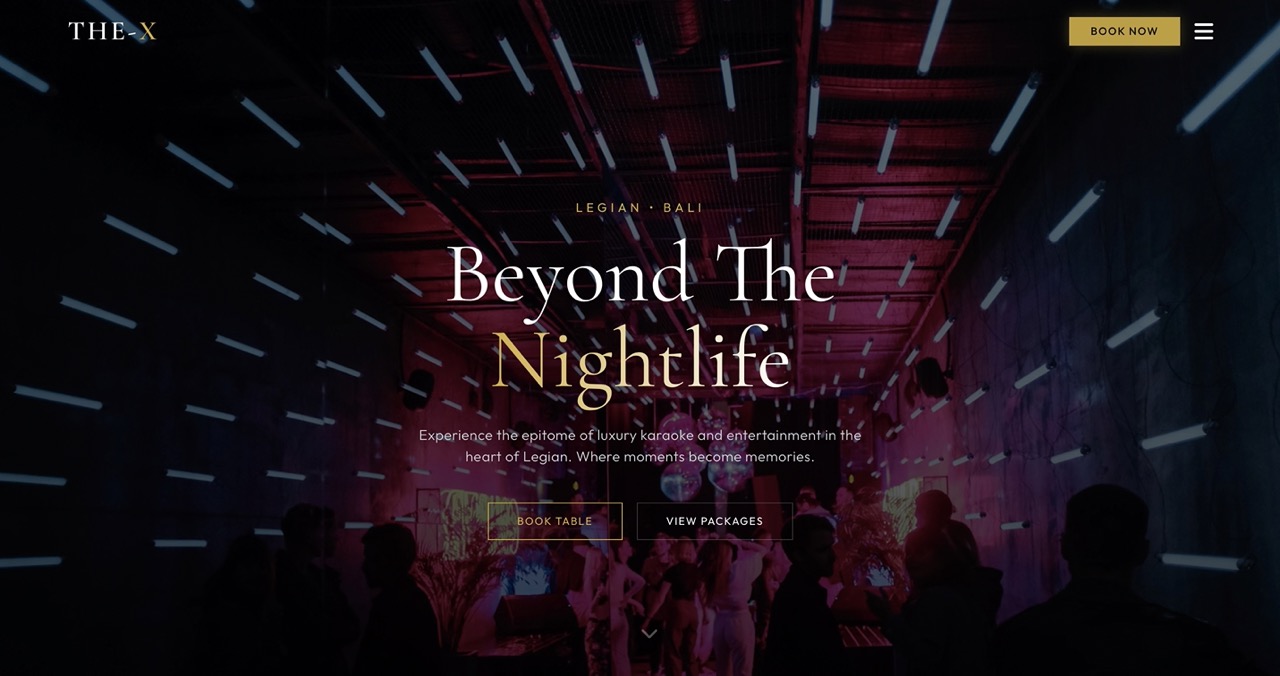
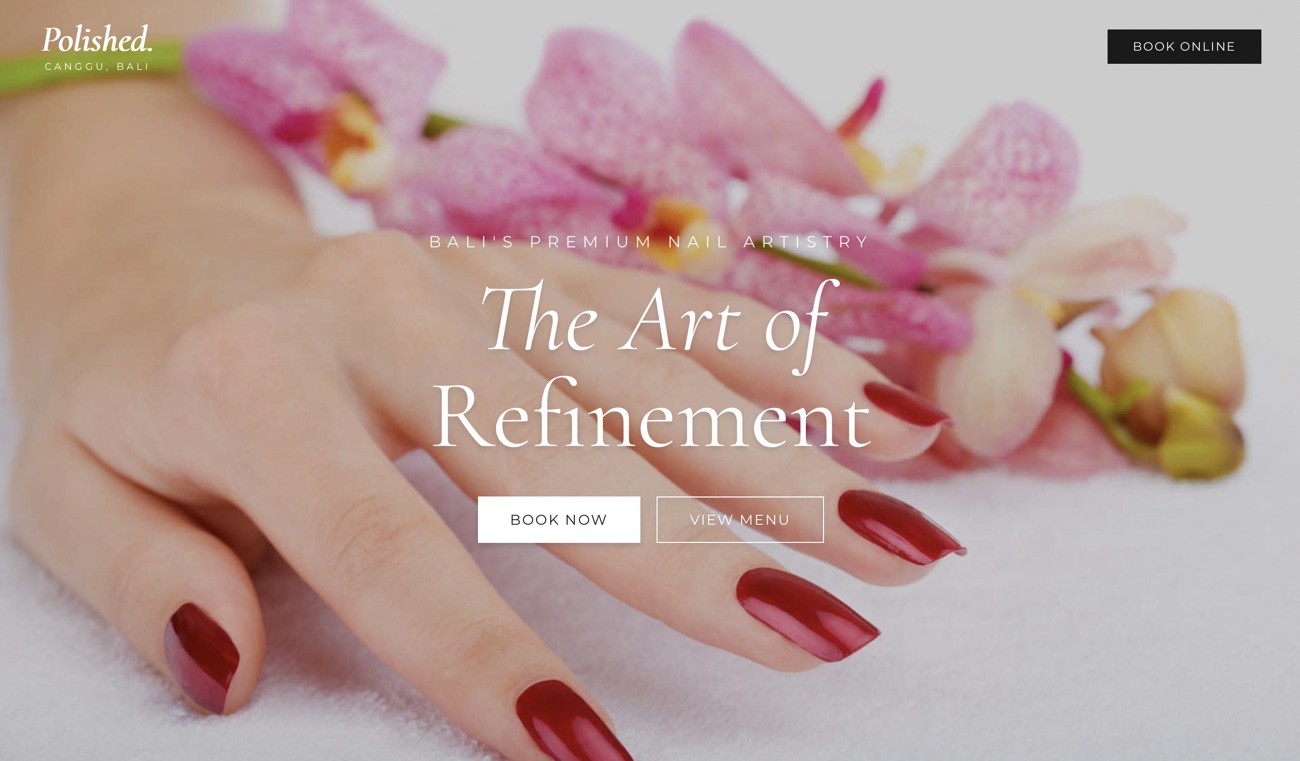
This means for our Real Estate clients, a family looking for a holiday home will see different "Hero Images" and "Call to Actions" than an investor looking for ROI, even if they visit the exact same URL.

Trend 2: Video is the New Text
With models like Sora and Runway Gen-3 maturing, high-fidelity video production costs are plummeting to near zero. Brands that rely solely on static images for Instagram Ads will see their CPA (Cost Per Acquisition) skyrocket.
- AI B-Roll: No need for expensive shoots. AI generates cinematic drone shots of Bali villas perfectly.
- Interactive Video: Videos where users can click items inside the frame to buy instantly.
Conclusion: The First Mover Advantage
The technology gap is widening. Businesses that adopt these autonomous systems in early 2026 will operate at 10x the efficiency of their competitors. The question is not "should we use AI," but "how fast can we integrate it?"