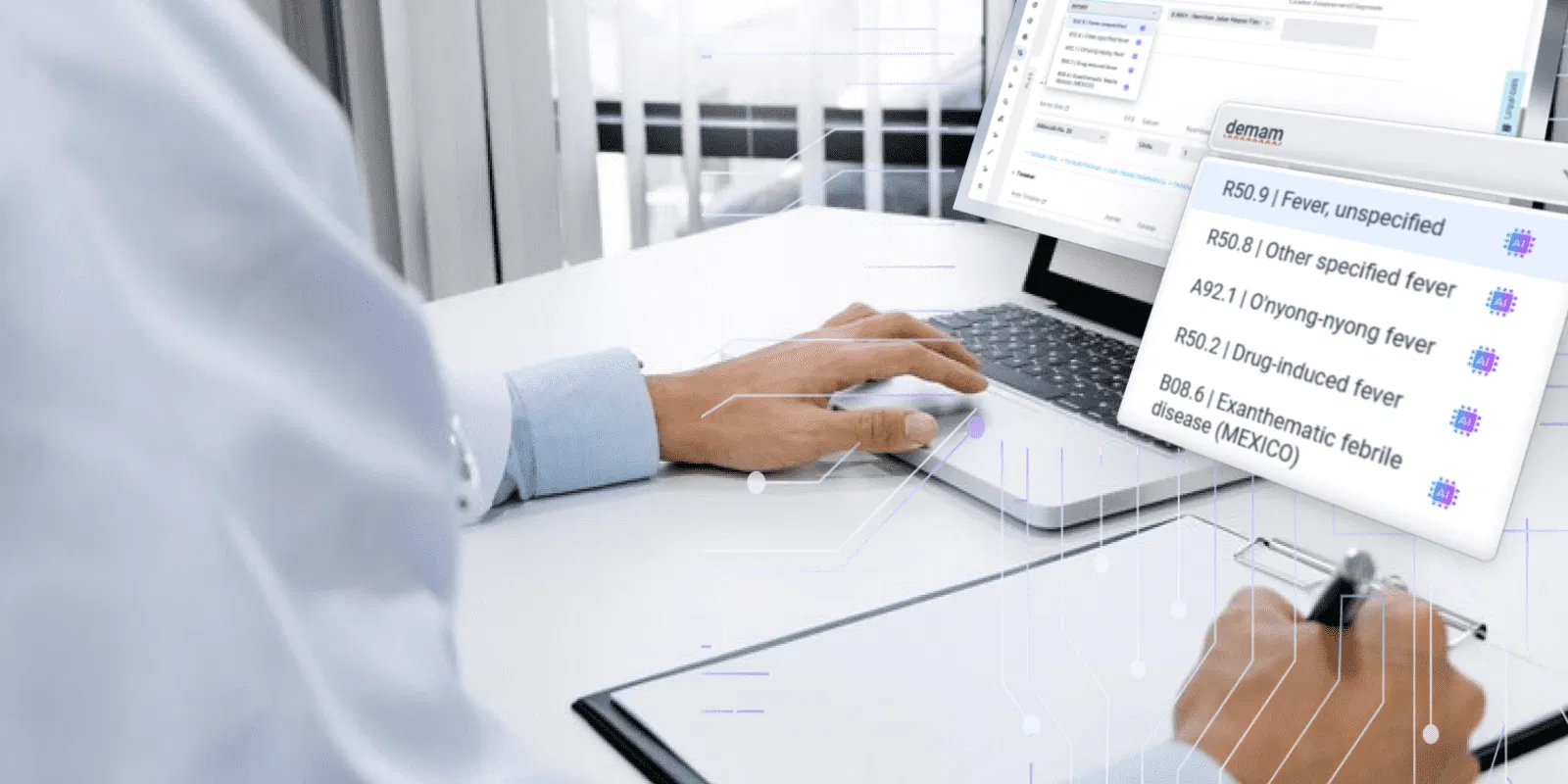
The history of business is a graveyard of companies that ignored technological shifts. From Kodak ignoring digital photography to Blockbuster dismissing streaming. In 2026, we are at a similar crossroads: The AI Inflection Point.
Waiting for AI to "mature" is no longer a safe strategy. The tools are here, they are functional, and your competitors are already using them to undercut your prices and outperform your service.
Efficiency: Doing More with Less
The most immediate impact of AI is the radical decoupling of output from headcount. In the past, to double your content production or customer support capacity, you had to double your staff.
"AI doesn't just make your team faster; it changes the math of your business model. You can now operate with the speed of a startup and the power of a multinational."
By automating repetitive tasks—data entry, scheduling, initial lead qualification—your human talent can focus on high-value strategy and creative problem solving.
Precision Decision Making
Most businesses operate on "gut feeling" or outdated reports. AI-driven businesses operate on real-time signals.
Modern AI tools can analyze thousands of customer interactions, market trends, and supply chain data points in seconds to tell you exactly what to sell, when to pivot, and where you are wasting money. Moving from "I think" to "I know" is the ultimate competitive moat.
- Predictive Analytics: Knowing what your customer wants before they even ask.
- Operational Automation: Reducing human error in complex workflows.
Personalization at Scale
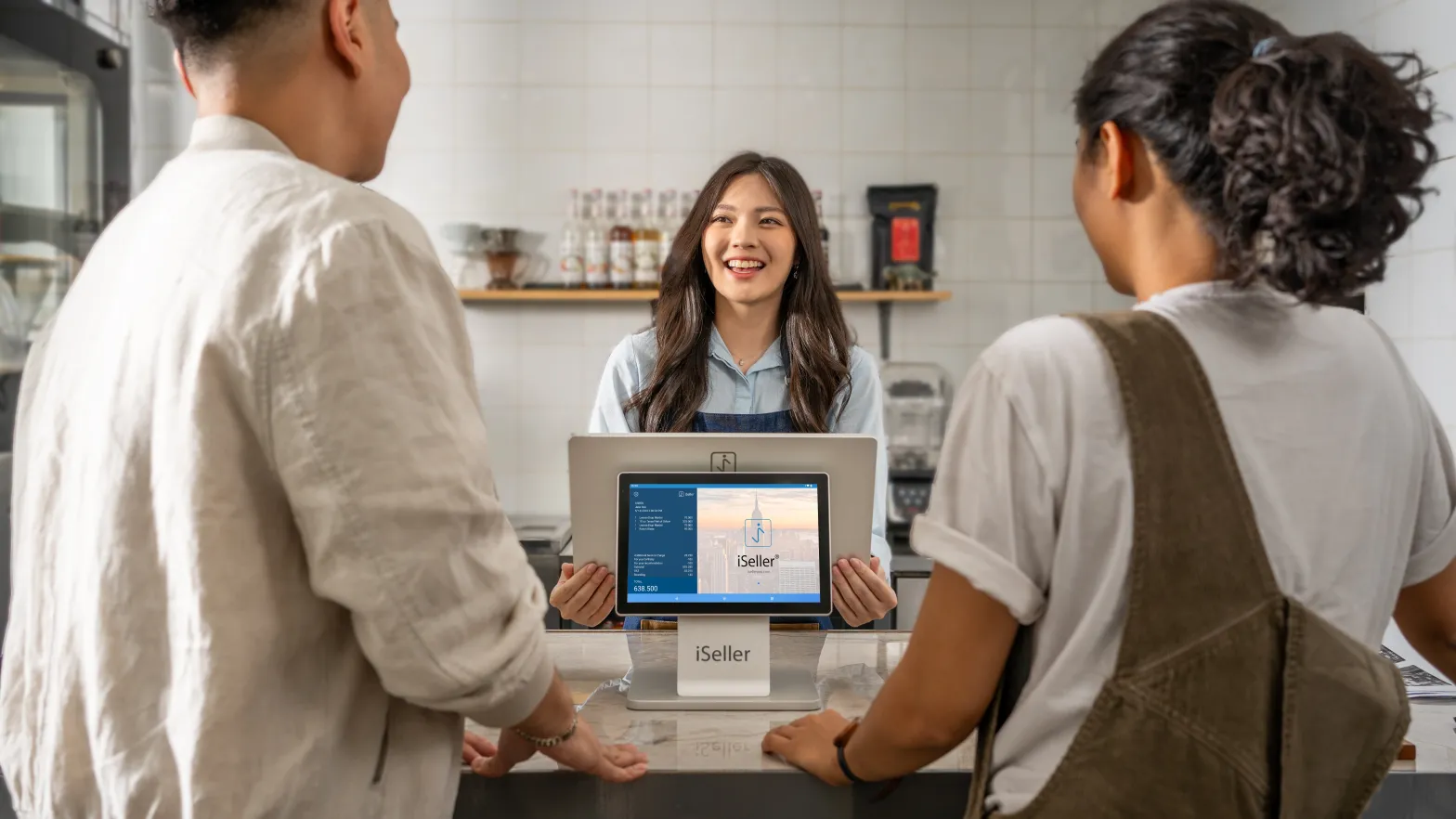
Customers in 2026 expect to be treated as individuals, not segments. AI allows you to provide a "concierge-level" experience to thousands of people simultaneously. Whether it's hyper-personalized email campaigns or AI agents that remember a customer's entire purchase history, this level of attention was previously impossible for small to medium businesses.
Conclusion: The Cost of Inaction
The biggest risk is not that AI will make a mistake; it's that you will be too slow to learn how to manage it. Every day you spend "waiting and seeing" is a day your competitors spend training their models, refining their prompts, and capturing your market share.
The window to be an early adopter is closing. It's time to integrate.